




EV Info
It Pays to Drive Electric
Benefits and Information on the Future of Electric Vehicles
The future of the automobile industry is electric. Every year electric vehicles are getting better and cheaper and every year more and more consumer are purchasing electric. If you're starting your research on whether you should buy an EV, take a look at some of the information here.
Perks of driving EV
Let us breakdown how driving electric can be BETTER for YOU!
- Zero Tailpipe Emissions: No fuel to burn
- State Tax Incentives: Buying an EV could qualify you for state tax incentives
- Battery Limited Warranty: Covers your battery and specific electric propulsion (Disclaimer: See dealer for specific details).
- Extended Courtesy Transportation: Complete care covers Courtesy Transportation for 8 years or 100,000 miles for covered warranty repairs (Disclaimer: See dealer for specific details.)
- Utility incentives: Installing a home charger may qualify you for local utility incentives
Battery Electric Vehicles (BEVs or AEVs)
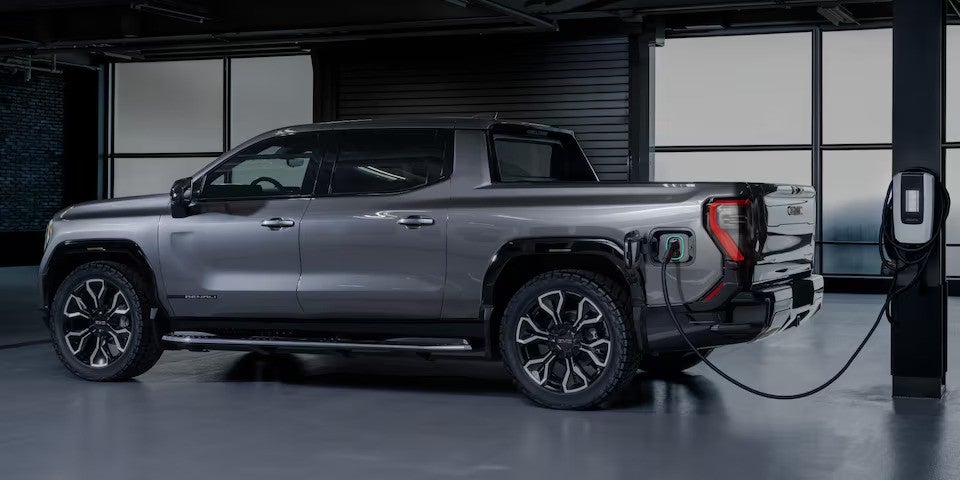
Battery Electric Vehicles have a battery and an electric motor instead of a gas tank and an internal combustion engine. Sometimes BEVs are also referred to as "All Electric Vehicles" or "Plug-in Vehicles" (not to be confused with Plug-in Hybrid Electric Vehicles). They run entirely on electricity and do not produce any exhaust from the burning of fuel.
Plug-In Hybrid Electric Vehicles
Plug-in Hybrid Electric Vehicles have an electric motor AND a gas-powered internal combustion engine. Some PHEVs operate exclusively, or almost exclusively, on electricity until the battery is nearly depleted, then the gasoline-powered engine turns on to provide power. Like Battery Electric Vehicles, PHEVs can be plugged in to charge the battery when the vehicle is not in use.
Hybrid Electric Vehicles(HEVs)
Hybrid Electric Vehicles have an electric motor AND a gas-powered internal combustion engine, and don't plug-in for charging. HEVs can have substantial range on a single tank of gas, but they still burn fossil fuel, produce carbon emissions, require trips to the gas station and scheduled engine-maintenance. An HEV may be an ideal choice for those with extended commutes and limited charging system access.
GM IS TRIPLING ITS EMPLOYEE WORKPLACE ELECTRIC VEHICLE CHARGING
22.5 MILES
per day is the average commute for drivers.
OVER 90%
of EV owners charge at home and/or at work
6.5%
of new vehicle sales will be electricby 2025
1 HOUR
-time to fully recharge from an average daily
commute.
3,500+
new charging plugs installed across GM U.S.and Canadian facilities.
When using a Level 2 charger
**According to 345 Markit Data
From GM
GM continues to facilitate EV adoption, Tripling Employees Workplace Electric Vehicle Charging Availability across U.Ss and Canada
EV INVESTMENT
Between 2020 and 2025, GM will invest more than $27 billion in EV and AV product development spending, exceeding GM’s gas and diesel investment. The investments will create thousands of new, good-paying U.S. jobs. This includes plans to make our Factory ZERO and Spring Hill, Tennessee assembly plants dedicated to electric vehicle production.
Learn MoreEV Basics You Were Afraid to Ask
There is no dumb question when it comes to EVs. We're all learning about them so let's dive in.
Do electric cars have engines?
No. Instead of fuel tanks and internal combustion engines, EVs have rechargeable batteries and electric motors.
What is an ICE vehicle?
This is your standard gasoline-powered vehicle. An internal combustion engine (ICE) provides power to a traditional car by means of the heat produced after a fuel, like gasoline or diesel, is oxidized and ignited in a combustion chamber.
What does MPGe mean?
To make it easier to understand its testing results, the EPA doesn’t just report range. It also provides a miles-per-gallon equivalent measurement, or MPGe, that you can compare with the EPA MPG estimates given for ICE vehicles that you're probably already familiar with. You might also hear the term miles-per-kWh or kWh/100, which are designed to help you understand how efficient your EV is and help you compare it to a similar-sized gas car.
What are the standard features on an EV?
Since EVs don’t require big gasoline engines, transmissions, and other components, they are often more spacious inside than their gasoline vehicle counterparts. More storage is often available as well, with some EVs providing both a traditional trunk in the rear and a frunk, or front trunk, in the space where a gasoline vehicle’s engine would be. They also tend to take advantage of the latest technology, such as cruise control, lane-centering assist, blind-spot monitoring, and much more.
How long do EVs last?
With an EV, the full bumper-to-bumper warranty applies whether you lease or buy. There's also the benefit of an 8-year/100,000-mile battery warranty (or 10-year/150,000-mile warranty in California and Zero Emission Vehicle states), which also applies to related components like the cooling system.
Is a hybrid an electric vehicle?
Strictly speaking, no. It's a different animal. While an EV relies solely on battery power to drive its electric motor, a hybrid uses a combination of electricity and conventional fuel for power. There are other kinds of cars that call themselves electric cars but they are not pure battery EVs; you can learn more about those here.
Do electric cars use gas?
No, strict EVs do not have an internal combustion engine (ICE), so of course also no fuel tank, so no gas is necessary. You might be thinking of a hybrid EV, which uses a combination of gasoline and electricity to produce power.
Are electric cars better than gas cars?
Contrary to some popular misconceptions, EVs typically offer superior performance to gasoline vehicles in a lot of aspects. While EV performance varies between different makes and models, all EVs benefit from the fact that they use drivetrains that are fairly simple compared to gasoline vehicles. Additionally, EVs are much quieter in operation, which is another byproduct of using battery-powered motors instead of gas-powered engines.
Find a Charging Station Near Me
Along with charging your electric vehicle at home, there are several local EV charging stations so you won't have to worry about vehicle charging when you ditch the gas pump. We'll show you where to find your nearest EV charging station so you'll know your EV will be charged up no matter where you drive.
Take a look at the map, then type in your address to find the nearest charging station to get you back on the road as quickly as possible!
Here for You
Contact Barlow Buick GMC of Manahawkin or stop by our showroom to experience all that we have to offer.
Barlow Buick GMC of Manahawkin
445 Rt 72 E, Manahawkin, NJ 08050
Contact UsHours
| Monday | 9:00AM - 8:00PM |
| Tuesday | 9:00AM - 8:00PM |
| Wednesday | 9:00AM - 8:00PM |
| Thursday | 9:00AM - 8:00PM |
| Friday | 9:00AM - 8:00PM |
| Saturday | 9:00AM - 5:00PM |
| Sunday | Closed |
| Monday | 7:00AM - 6:00PM |
| Tuesday | 7:00AM - 6:00PM |
| Wednesday | 7:00AM - 6:00PM |
| Thursday | 7:00AM - 6:00PM |
| Friday | 7:00AM - 5:00PM |
| Saturday | 7:00AM - 4:00PM |
| Sunday | Closed |
| Monday | 7:00AM - 6:00PM |
| Tuesday | 7:00AM - 6:00PM |
| Wednesday | 7:00AM - 6:00PM |
| Thursday | 7:00AM - 6:00PM |
| Friday | 7:00AM - 5:00PM |
| Saturday | 7:00AM - 4:00PM |
| Sunday | Closed |